
Iron supplements are a common remedy for those dealing with iron deficiency or anemia. While they play a crucial role in boosting energy levels and overall health, many people experience digestive issues when taking these supplements. One of the most frequently reported side effects is diarrhea, which can leave individuals questioning the safety and necessity of their iron intake.
Understanding the relationship between iron supplements and gastrointestinal distress is essential for anyone considering or currently using these products. Factors such as dosage, type of iron, and individual tolerance can all influence whether someone experiences diarrhea. By exploring these aspects, individuals can make informed decisions about their iron supplementation and maintain their health without unnecessary discomfort.
Understanding Iron Supplements
Iron supplements play a crucial role in treating iron deficiency and anemia, aiding in enhancing energy and overall well-being. However, selecting the right type and dosage is essential to avoid gastrointestinal issues like diarrhea.
Types of Iron Supplements
- Ferrous Sulfate: Commonly prescribed, ferrous sulfate contains 20% elemental iron. It’s effective but may cause constipation or diarrhea.
- Ferrous Gluconate: With around 12% elemental iron, this type is easier on the stomach, potentially reducing digestive discomfort.
- Ferrous Fumarate: Contains about 33% elemental iron. It’s known for better tolerability compared to ferrous sulfate.
- Iron Bisglycinate: This chelated form binds iron to amino acids, enhancing absorption while minimizing gastrointestinal side effects.
- Nutritional Yeast: Contains non-heme iron and can be a gentler supplement option, though it may require higher intake for adequate iron levels.
Recommended Dosages
- Adult Men: Recommended iron intake is 8 mg daily. Supplementing under healthcare supervision helps manage iron levels effectively.
- Adult Women: Women aged 19-50 require 18 mg daily to address menstrual iron loss. Pregnant women may need up to 27 mg daily.
- Children: Dosage varies by age—7 mg for infants (7-12 months), 10 mg for toddlers (1-3 years), and 15 mg for older children (4-8 years).
- Upper Limit: The upper limit for adult supplementation ranges from 45 mg to 60 mg daily, though exceeding this can lead to adverse effects, including diarrhea.
Proper understanding of supplement types and dosages can help manage iron intake while reducing unpleasant side effects.
Can Iron Supplements Cause Diarrhea?
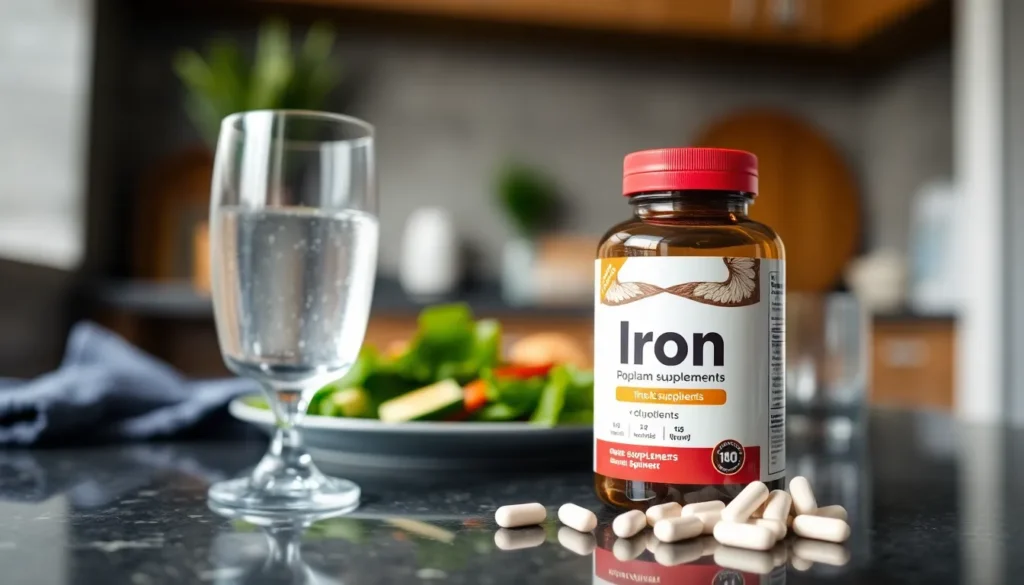
Iron supplements can cause diarrhea, a common side effect that many users report. Understanding the mechanisms and frequency of this occurrence helps individuals manage their supplementation effectively.
Mechanisms Behind Diarrhea
Diarrhea from iron supplements often results from several mechanisms. One primary cause includes irritation of the gastrointestinal tract. The presence of unabsorbed iron can lead to increased bowel movements. Additionally, rapid movement of food through the intestines may occur, reducing absorption time. Iron’s osmotic effect may draw water into the intestines, leading to loose stools. Individual tolerance levels and the type of iron supplement also play significant roles, with some forms being more tolerable than others.
Frequency of Occurrence
Diarrhea occurs in a notable percentage of individuals taking iron supplements. Studies indicate that approximately 20% to 30% of users experience gastrointestinal discomfort, including diarrhea. The likelihood increases with higher doses of elemental iron, with ferrous sulfate noted for higher incidence rates compared to other forms like ferrous bisglycinate. Individuals with pre-existing gastrointestinal conditions may also experience a greater frequency of digestive issues. Monitoring symptoms and adjusting dosage or supplement type can mitigate these occurrences.
Factors Influencing Side Effects
Various factors play a significant role in determining the likelihood and severity of side effects from iron supplements, particularly diarrhea. Understanding these factors helps optimize supplementation.
Individual Sensitivity
Individual sensitivity varies considerably among users. Some individuals might experience gastrointestinal disturbances due to intrinsic factors, such as age, gender, and underlying health conditions. For instance, people with sensitive stomachs or gastrointestinal disorders—like irritable bowel syndrome (IBS) or inflammatory bowel disease (IBD)—may experience increased side effects. Age also affects sensitivity, as older adults often have more fragile digestive systems. Genetic factors and pre-existing health conditions further influence tolerance levels, leading to a wide range of experiences related to iron supplementation.
Form of Iron Supplement
The form of iron supplement significantly impacts gastrointestinal side effects. Common forms include ferrous sulfate, ferrous gluconate, ferrous fumarate, and iron bisglycinate. Ferrous sulfate, while effective, has the highest incidence of gastrointestinal distress, including diarrhea. In contrast, forms like iron bisglycinate exhibit better tolerability due to being less irritating to the gastrointestinal tract. Each iron type presents different elemental iron contents, affecting potential side effects. Choosing a type with a lower risk for digestive issues, like a chelated form, may minimize discomfort while securing sufficient iron absorption.
Alternatives to Iron Supplements
Individuals seeking to boost iron levels without supplements can explore dietary modifications and other supplement options. These alternatives provide a way to increase iron intake while minimizing gastrointestinal discomfort.
Dietary Sources of Iron
Consuming iron-rich foods offers a natural alternative to supplements. Key sources of heme iron, which is more easily absorbed by the body, include:
- Red meat (beef, lamb)
- Poultry (chicken, turkey)
- Fish (salmon, tuna)
Non-heme iron exists in plant-based sources but is less readily absorbed. Significant sources include:
- Legumes (lentils, chickpeas)
- Leafy greens (spinach, kale)
- Nuts and seeds (pumpkin seeds, almonds)
- Whole grains (quinoa, oats)
Pairing non-heme iron sources with vitamin C-rich foods, such as oranges and bell peppers, enhances absorption.
Other Supplement Options
For those who cannot achieve adequate iron levels through diet alone, alternative supplements may offer better tolerability. Consider these options:
- Iron bisglycinate: This chelated form is designed for improved absorption and reduced gastrointestinal side effects.
- Heme iron polypeptide: Derived from animal sources, it’s typically well-absorbed with fewer digestive issues.
- Liquid iron supplements: Often easier to digest than pills, these provide flexibility in dosage and tend to be better tolerated.
Consulting a healthcare provider before starting any supplement is recommended to ensure safety and effectiveness.
Iron supplements can be a vital tool for addressing deficiencies but they may also lead to gastrointestinal issues like diarrhea for some users. Understanding individual tolerance and the specific type of supplement can significantly impact the experience. Those who experience discomfort should consider adjusting their dosage or switching to a more tolerable form.
Incorporating iron-rich foods into the diet can also help alleviate the need for supplements. Consulting a healthcare provider is essential to tailor the approach to individual health needs while minimizing potential side effects. With the right strategies in place, managing iron intake can be both effective and comfortable.


