
In a world where students can learn from the comfort of their pajamas, high-end innovations in education tech are rewriting the rules of the classroom. Gone are the days of dusty chalkboards and outdated textbooks. Today’s learners are embracing virtual reality, AI-driven tutoring, and interactive platforms that make education as engaging as a cat video on the internet.
Overview of High-End Innovations in Education Tech
High-end innovations in education tech revolutionize how students and educators interact. Virtual reality (VR) immerses learners in realistic simulations, enhancing experiential learning. Artificial intelligence (AI) personalizes educational experiences, adapting content to each learner’s needs. Interactive platforms foster collaborative learning, making group projects more dynamic and engaging.
Learning management systems (LMS) streamline course administration. These systems integrate analytics tools to track student progress in real-time. Gamification transforms assignments into interactive activities, motivating students through rewards and achievements. Technologies like augmented reality (AR) provide enriched experiences by overlaying digital information in real-world environments.
Cloud computing enables seamless access to educational resources from any location. This flexibility supports remote learning initiatives, widening access for learners globally. Social learning environments leverage online communities, encouraging peer-to-peer knowledge sharing. Mobile technologies increase flexibility, allowing access to educational content anytime and anywhere.
Adaptive learning technologies transform curricula based on ongoing assessments. This method supports mastery of subjects, catering to various learning paces. Robotics in education introduces students to coding and engineering principles through interactive kits. These innovations prepare learners for careers in technology through hands-on experiences.
Data analytics significantly enhances educational decision-making. Educators can identify trends in student performance, guiding intervention efforts. High-end innovations in education tech not only enhance learning but also prepare students for an increasingly digital workforce. Each advancement contributes to creating a more effective, engaging, and responsive educational landscape.
Key Trends Shaping Education Technology
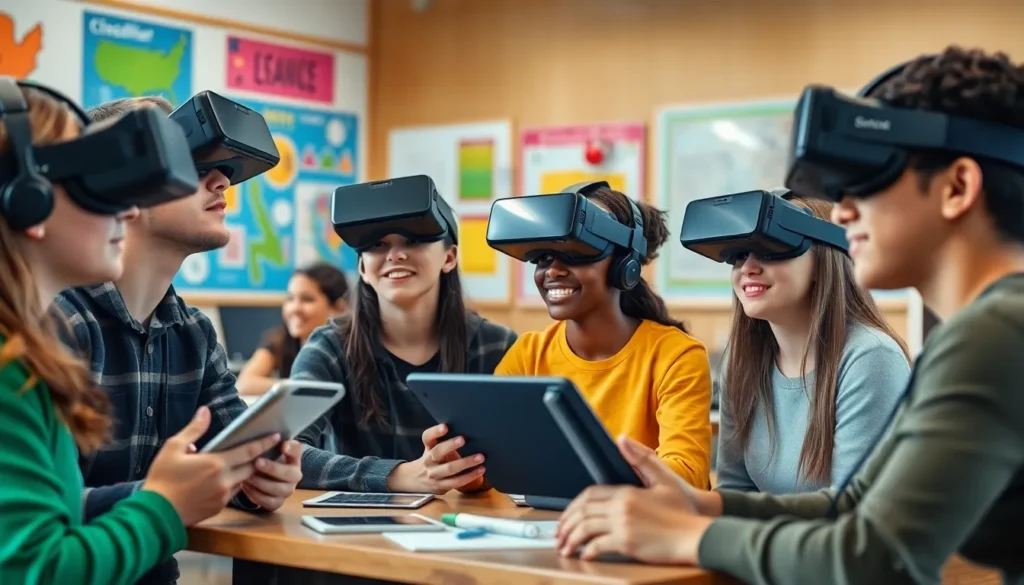
Advanced educational technology continues to transform learning environments and enhance student engagement. Several key trends drive this evolution in education.
Personalized Learning Solutions
Personalized learning solutions adjust content to match individual student needs. These platforms utilize data to create tailored experiences, ensuring that learners progress at their own pace. By focusing on specific strengths and weaknesses, educators can provide focused support. Platforms like DreamBox and Khan Academy exemplify this approach, offering customized pathways for students. As a result, students benefit from a more effective learning experience that aligns with their unique needs.
Virtual and Augmented Reality in Classrooms
Virtual and augmented reality serve as powerful tools to enhance classroom learning. These technologies create immersive environments, allowing students to explore complex subjects in a hands-on manner. For example, VR enables students to virtually visit historical sites or conduct scientific experiments in safe settings. AR overlays digital information onto the real world, providing context and depth to lessons. Engaging with these technologies fosters deeper understanding and retention, making learning more visual and interactive.
Artificial Intelligence for Enhanced Learning
Artificial intelligence plays a pivotal role in reshaping the educational landscape. AI-driven tools analyze student data, enabling instant feedback and adaptive learning experiences. Programs like Smart Sparrow provide personalized recommendations, allowing educators to tailor instruction effectively. Predictive analytics helps identify at-risk students, facilitating timely interventions. As AI continues to evolve, its ability to enhance learning outcomes and streamline administrative tasks becomes increasingly significant, simplifying processes for educators and students alike.
Impact of High-End Innovations on Students
High-end innovations in educational technology significantly shape student experiences. These advancements engage learners while fostering inclusivity and accessibility in various educational settings.
Engagement and Motivation
Innovative technologies like gamification spark increased enthusiasm among students. Learners remain invested through interactive assignments, which enhance participation. Virtual reality creates immersive environments, fostering exploration and curiosity. Real-time feedback from AI-driven systems fuels motivation, allowing students to track their progress actively. Enhanced interactivity in educational platforms encourages collaboration among peers, enhancing the learning process. Positive reinforcement through innovative tools often promotes a sense of achievement, which drives further engagement. Overall, these innovations create dynamic learning experiences.
Accessibility and Inclusivity
High-end educational technologies bridge gaps in accessibility, making learning available to diverse student populations. Cloud computing offers remote access to resources, often benefiting students in rural areas. Adaptive learning technologies adjust content delivery based on individual learning styles, ensuring that everyone can progress at their own pace. Tools like text-to-speech and language translation help accommodate non-native speakers and students with disabilities. These innovations promote inclusive environments where every learner feels valued and supported. Enhanced accessibility leads to broader participation, enriching classroom dynamics and ultimately improving educational outcomes.
Role of Educators in Implementing Technology
Educators play a crucial role in integrating technology into classrooms. Their active involvement ensures that high-end innovations effectively enhance learning experiences.
Training and Professional Development
Training programs equip educators with essential skills to utilize educational technology. Understanding new tools fosters confidence and allows them to engage students more effectively. Workshops and online resources offer continuous learning opportunities. Collaboration with tech specialists can provide personalized guidance. Active participation in professional development significantly improves teachers’ ability to adapt and innovate within their teaching practices.
Creating a Technology-Enhanced Curriculum
An effective technology-enhanced curriculum promotes student engagement and personalized learning. Educators need to select appropriate technologies that align with learning objectives. Interactive tools like virtual reality and gamification can create immersive experiences. Incorporating adaptive learning platforms addresses diverse student needs. Educators should frequently evaluate the curriculum’s effectiveness through real-time analytics and feedback. This ongoing assessment enhances teaching strategies and optimizes learning outcomes.
Future Prospects of High-End Innovations in Education Tech
Transforming educational practices through technology indicates a bright future. Innovations such as artificial intelligence are expected to become more sophisticated, offering personalized learning experiences tailored to students’ unique needs. Increased reliance on data analytics will likely enhance educators’ abilities to track student performance in real-time, allowing for quicker adjustments in teaching strategies.
Expect immersive technologies like virtual reality and augmented reality to proliferate in classrooms. Such tools create opportunities for experiential learning, fostering deeper engagement and understanding among students. Typically, platforms leveraging these technologies can simulate real-world scenarios, enriching lessons in subjects like science and history.
Educators will increasingly embrace adaptive learning technologies. These systems cater to varying learning paces, ensuring that students grasp concepts before moving on. Furthermore, cloud computing will maintain its role in facilitating remote learning, thereby broadening access to educational resources around the globe.
Collaboration among students may thrive in social learning environments. These platforms emphasize peer-to-peer interaction, promoting knowledge sharing across diverse groups. Innovative gamification strategies will likely motivate learners through interactive assignments that resonate with their interests.
Increasingly, inclusive technologies will support diverse student populations. Tools designed for text-to-speech and language translation will break down barriers for non-native speakers and students with disabilities. By creating welcoming and inclusive spaces, schools will foster a sense of belonging for all learners.
Ultimately, the integration of technology in curricula will evolve. Continual evaluation by educators will guide the selection and effectiveness of these innovations. Overall, advancements in educational technology promise to shape a more engaging, adaptive, and responsive learning landscape.
High-end innovations in education technology are reshaping the learning landscape. By embracing tools like virtual reality and artificial intelligence, educators can create immersive and personalized experiences that cater to diverse learning styles. These advancements not only enhance engagement but also foster inclusivity, ensuring that all students can thrive.
As technology continues to evolve, the role of educators remains vital. Their ability to integrate these innovations into the curriculum will determine the success of these tools in enhancing educational outcomes. The future of education is promising, with continuous advancements poised to make learning more accessible, engaging, and effective for everyone.


