
Tequila has become a beloved spirit around the world, but not all tequilas are created equal. With its rich heritage and complex flavors, finding a good tequila can enhance any occasion. Whether sipping it neat or mixing it into a cocktail, understanding what makes a tequila stand out is essential for any enthusiast.
A good tequila is defined by its quality ingredients, traditional production methods, and the unique characteristics that reflect its origin. From the earthy notes of an añejo to the crispness of a blanco, each type offers a distinct tasting experience. This guide will explore the key factors that contribute to a good tequila, helping both novices and connoisseurs make informed choices when selecting their next bottle.
Understanding Tequila
Tequila originates from the blue agave plant and holds a distinct cultural significance in Mexico. Understanding its origin and types enhances appreciation for this celebrated spirit.
The Origin of Tequila
Tequila production began in the town of Tequila, Jalisco, Mexico, during the 16th century. Regulations established in the 1970s protect its authenticity, requiring tequila to come from specific regions, primarily Jalisco and limited areas in four other states. The blue agave plant, which takes 7 to 10 years to mature, produces the sugars essential for fermentation. High-quality tequila reflects traditional cultivation and harvesting methods, ensuring that flavor profiles remain consistent and authentic.
Types of Tequila
Tequila is categorized into several types, each with distinct characteristics:
- Blanco: Unaged, blanco tequila showcases the purest agave flavor, generally bottled immediately after distillation. It’s suitable for cocktails and mixing.
- Joven: Often a blend of blanco and aged tequila, joven presents a smooth mix of fresh agave and complex flavors. Ideal for mixed drinks, it adds depth.
- Reposado: Aged between two months and one year in oak barrels, reposado gains a richer flavor profile, balancing agave sweetness with hints of wood and spices.
- Añejo: Aged for one to three years, añejo tequila offers a deeper, more complex flavor, making it perfect for sipping. It reflects the influence of the barrel.
- Extra Añejo: Aged for over three years, extra añejo provides an even bolder taste, with pronounced notes of caramel and vanilla. This type is high-end and ideal for special occasions.
Each type of tequila delivers unique tasting experiences, making informed choices crucial for both enjoyment and appreciation.
Characteristics of Good Tequila
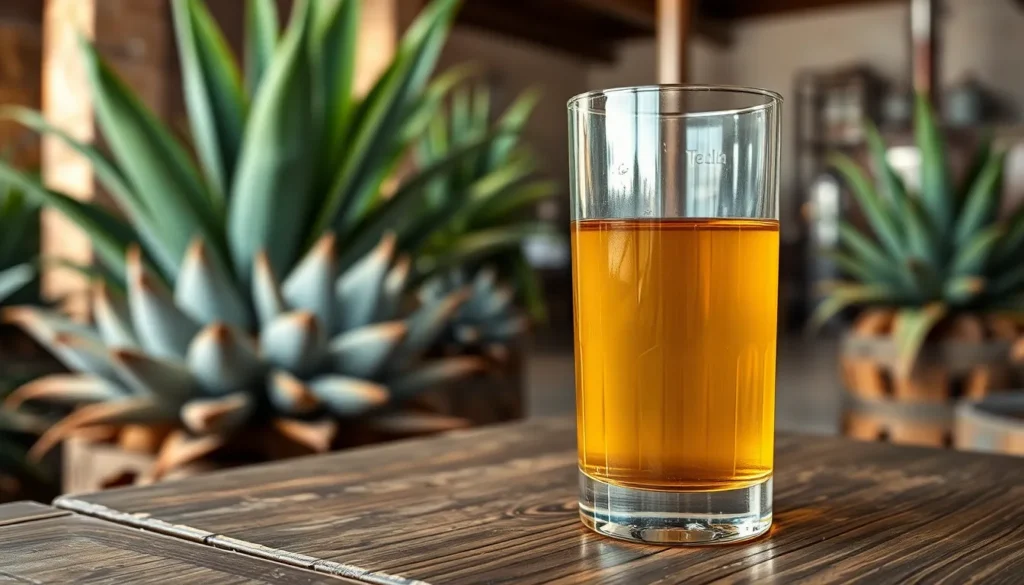
Good tequila possesses distinct characteristics that reflect its quality. Key attributes include aroma, flavor profile, color, and clarity.
Aroma and Flavor Profile
Aroma plays a crucial role in identifying quality tequila. Good tequila often exhibits a complex bouquet that may include earthy, fruity, and floral notes. High-quality examples can showcase scents of roasted agave, citrus, and herbs. Flavor profiles should balance sweetness and bitterness, with a smooth finish that avoids harshness. Varietals such as Blanco tend to offer bright, fresh flavors of citrus and agave, while Añejo varieties may provide deeper notes of caramel, vanilla, and spice from barrel aging.
Color and Clarity
Color and clarity indicate the purity and quality of tequila. Good tequila often appears clear with a hint of color for Blanco, while Reposado and Añejo show amber hues due to aging in wood barrels. Clarity should be pristine, free from sediment or cloudiness. These visual attributes suggest proper filtration and craftsmanship in the production process.
Popular Brands of Good Tequila
Numerous tequila brands offer high-quality options across various price ranges. Below are some notable brands categorized by premium and budget-friendly options.
Premium Tequila Brands
- Patrón – Renowned for its smooth flavor and high standards, Patrón offers a range including Añejo, Reposado, and Blanco.
- Don Julio – A favorite among enthusiasts, Don Julio provides rich flavors and refined quality, emphasizing traditional production methods.
- Casa Noble – Known for organic tequila, Casa Noble specializes in artisanal production, offering complex and flavorful profiles.
- El Tesoro – Made using traditional methods, El Tesoro produces a well-balanced tequila that showcases the rich heritage of the region.
- Espolon – This brand combines high-quality ingredients and modern packaging, with options that highlight distinctive flavors and aromas.
Budget-Friendly Options
- Olmeca Altos – An affordable option without compromising quality, Olmeca Altos offers a well-rounded flavor profile suitable for cocktails.
- ArteNOM – This brand provides value by sourcing its tequila from various distilleries while maintaining quality and taste.
- Cazadores – Cazadores is well-regarded for its fresh and zesty flavor, making it a popular choice for both sipping and mixing.
- Sauza – A widely available brand, Sauza offers smooth tequilas ideal for cocktails or shots, boasting affordability and consistency.
- Torres – Known for its approachable price point, Torres delivers a pleasant taste experience with options that appeal to a broad audience.
How to Taste and Evaluate Tequila
Tasting tequila involves a systematic approach to appreciate its characteristics fully. By understanding the tasting process and recognizing common notes, one can elevate their tequila experience.
The Tasting Process
- Visual Examination: Observe the tequila in the glass. Note its clarity and color. Good tequila should be bright and transparent, with a hue reflecting its aging process.
- Swirling: Gently swirl the tequila in the glass to release aromas. This step helps to enhance the olfactory experience.
- Nosing: Inhale deeply while keeping the glass at a distance. Identify the various aromatic notes such as citrus, vanilla, or spice. Quality tequila often exhibits a complex aromatic profile.
- Taking a Sip: Allow a small sip to coat the palate. Focus on the initial taste, noting the sweetness and texture. Good tequila offers a smooth mouthfeel without harshness.
- Identifying Flavor Evolution: Pay attention to how the flavors develop over time. High-quality tequila presents a balance of flavors that evolve from the initial sip to the finish.
- Final Evaluation: After swallowing, assess the finish. A pleasant aftertaste indicates quality, while bitter or sour notes may suggest inferior tequila.
Common Tasting Notes
- Fruity: Expect notes of citrus fruits like lime or grapefruit, as well as tropical fruits such as pineapple and mango.
- Floral: Discover hints of floral elements, which can include notes of jasmine or orange blossom, enhancing the tasting experience.
- Spicy: Identify spice notes, often ranging from black pepper to nutmeg, contributing to complexity in flavor.
- Earthy: Appreciate earthy tones, often reminiscent of agave leaves or minerals, reflecting the terroir.
- Sweet: Recognize sweetness from vanilla or caramel, particularly in aged tequilas, balancing bitterness and enriching flavor profiles.
- Woody: For aged varieties, experience wood notes from barrel aging, which can include oak or cedar, adding depth to the flavor.
By mastering the tasting process and familiarizing with common tasting notes, one gains a profound appreciation for quality tequila.
Choosing a good tequila is about more than just the brand or price. It’s about understanding the nuances that define quality. From the rich history rooted in Jalisco to the careful craftsmanship that goes into each bottle, tequila offers a diverse world of flavors and experiences.
Whether one prefers the crispness of a Blanco or the complexity of an Añejo, knowing what to look for can elevate any tasting experience. By appreciating the characteristics that make tequila unique, drinkers can confidently select options that align with their personal tastes. With the right knowledge, anyone can enjoy this iconic spirit to its fullest.


